May 5, 2026
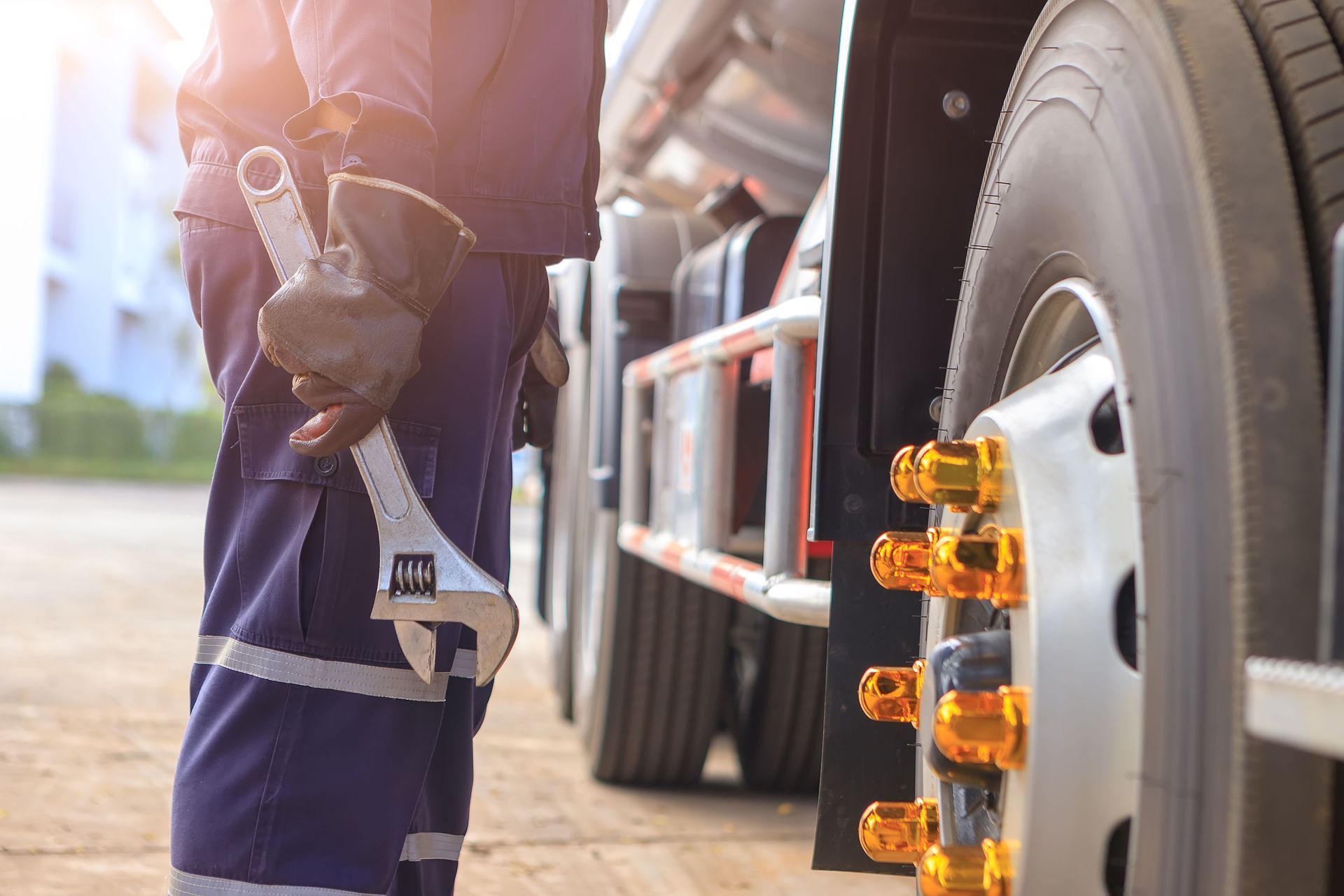
When a commercial truck breaks down on the road, every minute of downtime matters. Drivers and fleet operators depend on fast, reliable solutions to keep loads moving and schedules on track. Local roadside truck repairs provide exactly that — on-site professional service that addresses mechanical failures quickly, without requiring a tow to a distant facility. Understanding the most common issues that roadside technicians handle can help drivers recognize problems early and know what to expect when help arrives.
Resolve Engine Problems on the Road
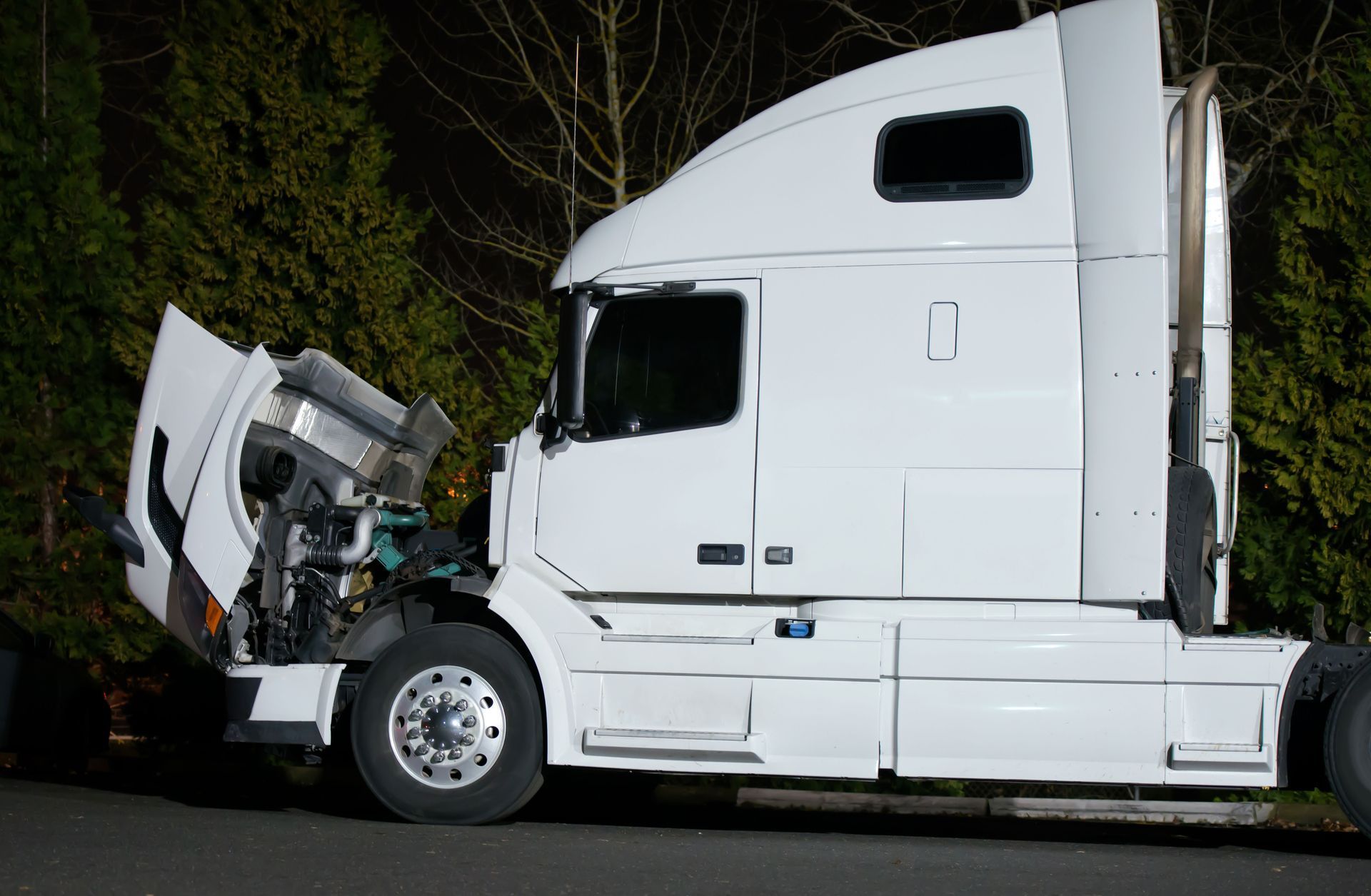
Engine overheating is one of the most disruptive issues addressed through roadside truck repairs. It typically stems from low coolant levels, a faulty thermostat, or a malfunctioning radiator — all problems that an experienced technician can identify by assessing temperature gauges, inspecting components, and observing visible warning signs like steam. On-site solutions such as coolant top-ups, fan belt adjustments, and temporary sealants can stabilize the engine and allow the truck to reach a full-service facility safely. Catching and addressing overheating early is critical, as prolonged exposure to high temperatures can cause severe and lasting engine damage.
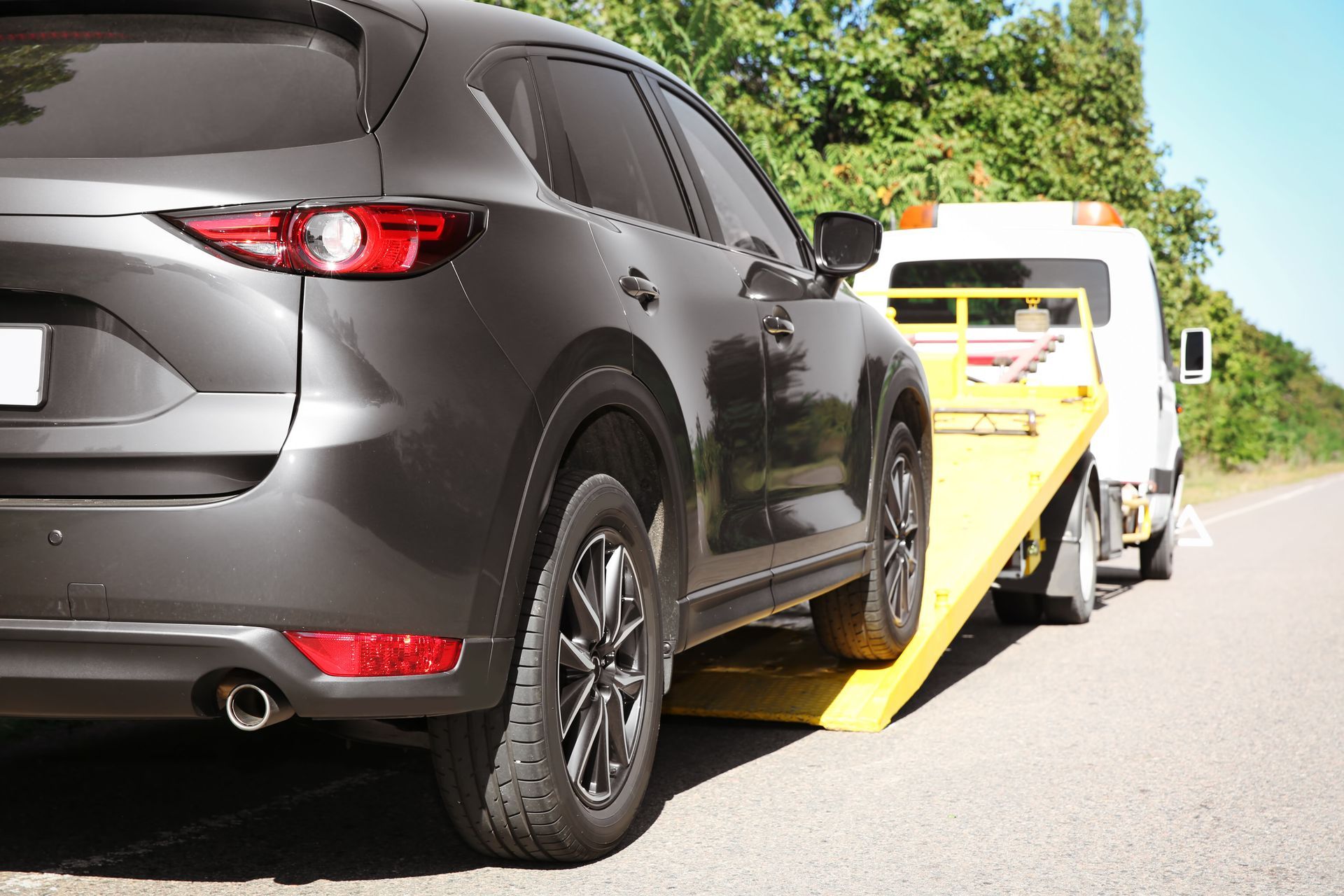
Low oil pressure and fuel system failures round out the most common engine-related calls for local roadside truck repairs. Low oil pressure often announces itself through warning lights or unusual engine noise, prompting technicians to check oil levels and inspect for leaks before applying temporary solutions to restore lubrication. Fuel system issues — including clogged filters, pump failures, and contaminated fuel — can be assessed on site, with technicians bypassing failed components or using fuel additives to help the truck reach the nearest repair facility. According to Look Up a Plate, the average tow in the U.S. covers somewhere between 10 miles and 40 miles, which underscores just how valuable an on-site fix can be for keeping a truck operational and avoiding the delays that come with transport. Routine fuel system and oil maintenance remains the best way to reduce the likelihood of these roadside emergencies.
Address Electrical System Failures Quickly
Battery failures are among the most frequent calls that roadside truck repairs respond to, often triggered by extreme temperatures, aging batteries, or prolonged inactivity. Roadside technicians carry the equipment needed to jump-start vehicles and restore electrical function quickly, getting drivers back on the road with minimal delay. While a jump-start is an effective immediate remedy, it also serves as an important signal that the battery may need replacement before the next long haul. Keeping terminals clean and connections tight are simple habits that can significantly reduce the likelihood of a battery-related breakdown.
Alternator failures, starter motor malfunctions, and lighting or wiring issues are other electrical problems that local roadside truck repairs handle regularly. A failing alternator often presents through dimming headlights or a battery warning light, and technicians can test output and connections on site to determine whether a bypass or temporary fix will allow the truck to continue. Starter problems — typically indicated by clicking noises or a failure to turn over — can sometimes be resolved through connection checks or tapping the starter to restore function. Wiring faults and lighting failures, meanwhile, are addressed with electrical tape, replacement components, or temporary connector solutions that restore compliance and safety. Carrying spare bulbs and being attentive to early warning signs can help drivers stay ahead of these issues before they become full breakdowns.
Handle Tire and Wheel Issues Efficiently
Flat tires and pressure problems are bread-and-butter calls for local roadside truck repairs, and technicians are equipped to handle them swiftly with patching kits, portable air equipment, and on-hand replacement tires. Maintaining correct tire pressure is critical not only for safety but also for fuel efficiency and tire longevity — factors that matter greatly on long-haul routes. Drivers who carry spare tires and basic repair supplies are better prepared for these situations and can sometimes initiate a temporary fix while waiting for professional assistance to arrive.
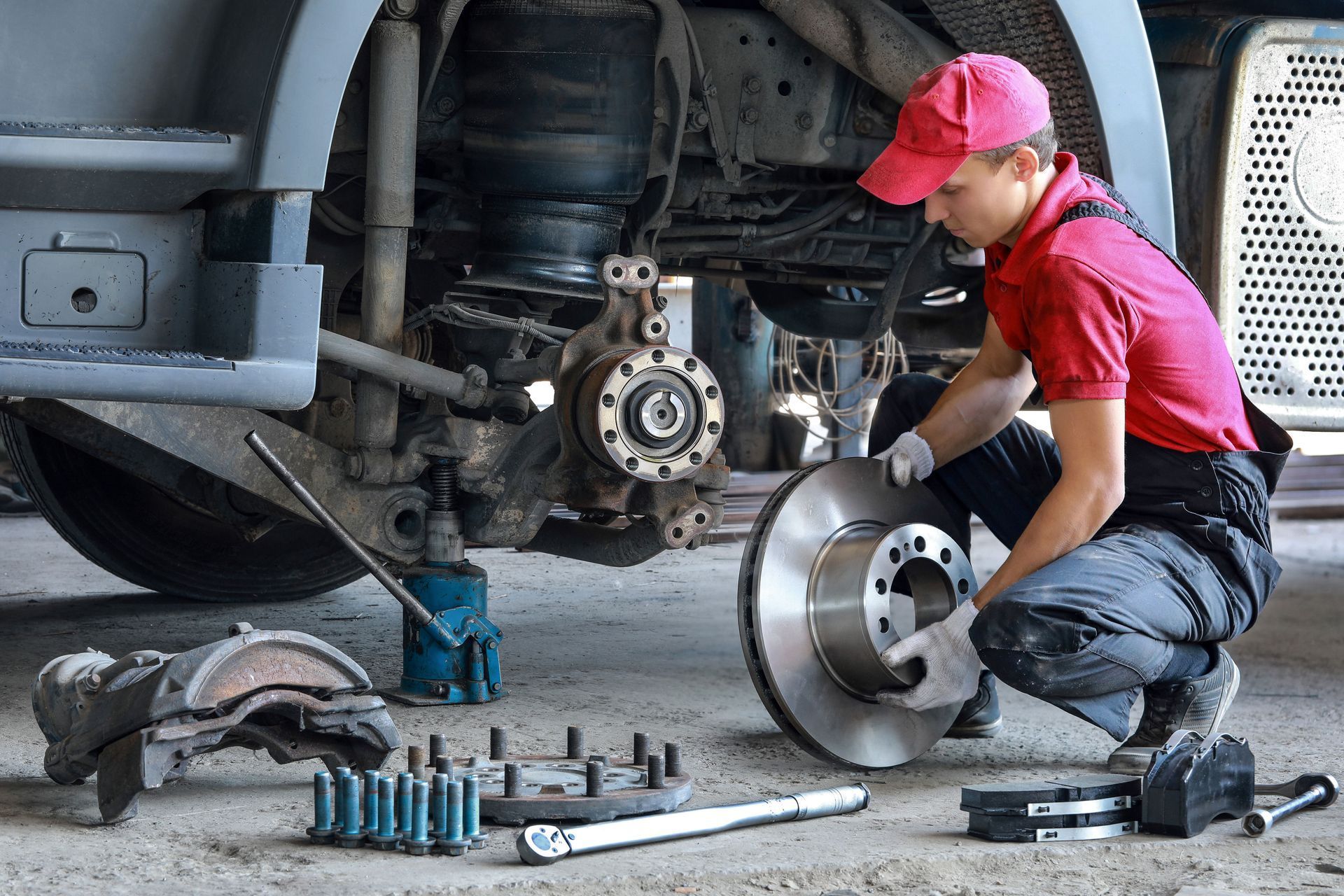
Misalignment can manifest as steering pull or uneven tire wear and may be temporarily addressed through tie rod or angle adjustments to allow safe travel to a shop. Brake inspections during roadside calls often uncover worn pads or fluid leaks, with technicians performing fluid top-ups and pad adjustments to restore reliable stopping power. Tire balancing issues cause vibrations that compromise ride quality and control, and portable balancing equipment allows technicians to correct weight distribution on site. Regular inspection of all these systems before a trip is the most effective way to avoid needing emergency service on the road.
Fix Cooling System Breakdowns on Site
Cooling system failures are serious and time-sensitive, as even a brief period of overheating can cause significant engine damage. Local roadside truck repairs commonly address radiator leaks using temporary sealants and coolant top-ups that stabilize the system and buy the driver enough time to reach a service center. Water pump failures, which disrupt the entire cooling loop, can sometimes be partially addressed through pressure testing and impeller adjustments, keeping the truck moving while a full repair is arranged. Damaged hoses — a frequent cause of coolant leaks — are handled with temporary seals or on-the-spot replacements that restore circulation.
A faulty thermostat can cause erratic temperature readings and persistent overheating, and technicians can sometimes bypass the component temporarily to restore a degree of temperature regulation. Coolant checks and top-ups, performed during routine roadside service, are quick interventions that carry significant protective value for the engine. Drivers who monitor their temperature gauges closely and respond at the first sign of overheating give technicians the best chance of resolving the issue before lasting damage sets in.
Diagnose and Repair Transmission and Brake Complications
Transmission problems — including clutch slippage, fluid leaks, gearbox malfunctions, and shifting difficulties — represent some of the more complex issues that local roadside truck repairs address in the field. Clutch problems often reveal themselves through slipping, sticking, or delayed engagement, and technicians can perform quick adjustments to restore function and allow the truck to continue. Transmission fluid leaks are addressed through visual inspection, fluid top-ups, and temporary patching, preventing gear function from deteriorating further. Linkage and torque converter issues, while more involved, can often be stabilized on site through lubrication, pressure adjustments, or component realignment.
Brake system complications — from air brake failures and worn pads to hydraulic fluid leaks and locked brakes — are among the highest-priority issues handled by roadside truck repairs, given the direct safety implications. Air leaks and compressor failures in air brake systems are addressed using temporary seals and adjustments, while hydraulic brake issues are managed through fluid replenishment and quick component fixes. Locked brakes, which can render a truck completely immobile, are resolved using release mechanisms that allow the vehicle to move again. In all cases, these on-site interventions are critical safety measures, and drivers are strongly encouraged to schedule comprehensive brake inspections at the first opportunity after a roadside fix to ensure full system integrity.
From engine overheating and electrical failures to tire blowouts, cooling system breakdowns, and brake complications, local roadside truck repairs cover a wide range of mechanical issues that can bring a truck to an unexpected stop. The ability to resolve these problems quickly and professionally on site keeps drivers safer, reduces downtime, and helps fleets maintain their schedules without major disruption. Staying current with preventive maintenance is the best way to minimize roadside emergencies, but when something does go wrong, having a dependable local service to call makes all the difference. If you are ready for fast, professional assistance when your truck needs it most, contact us at King's Towing & Truck Repair, LLC today — we will help you get back on the road safely and efficiently.