August 26, 2026
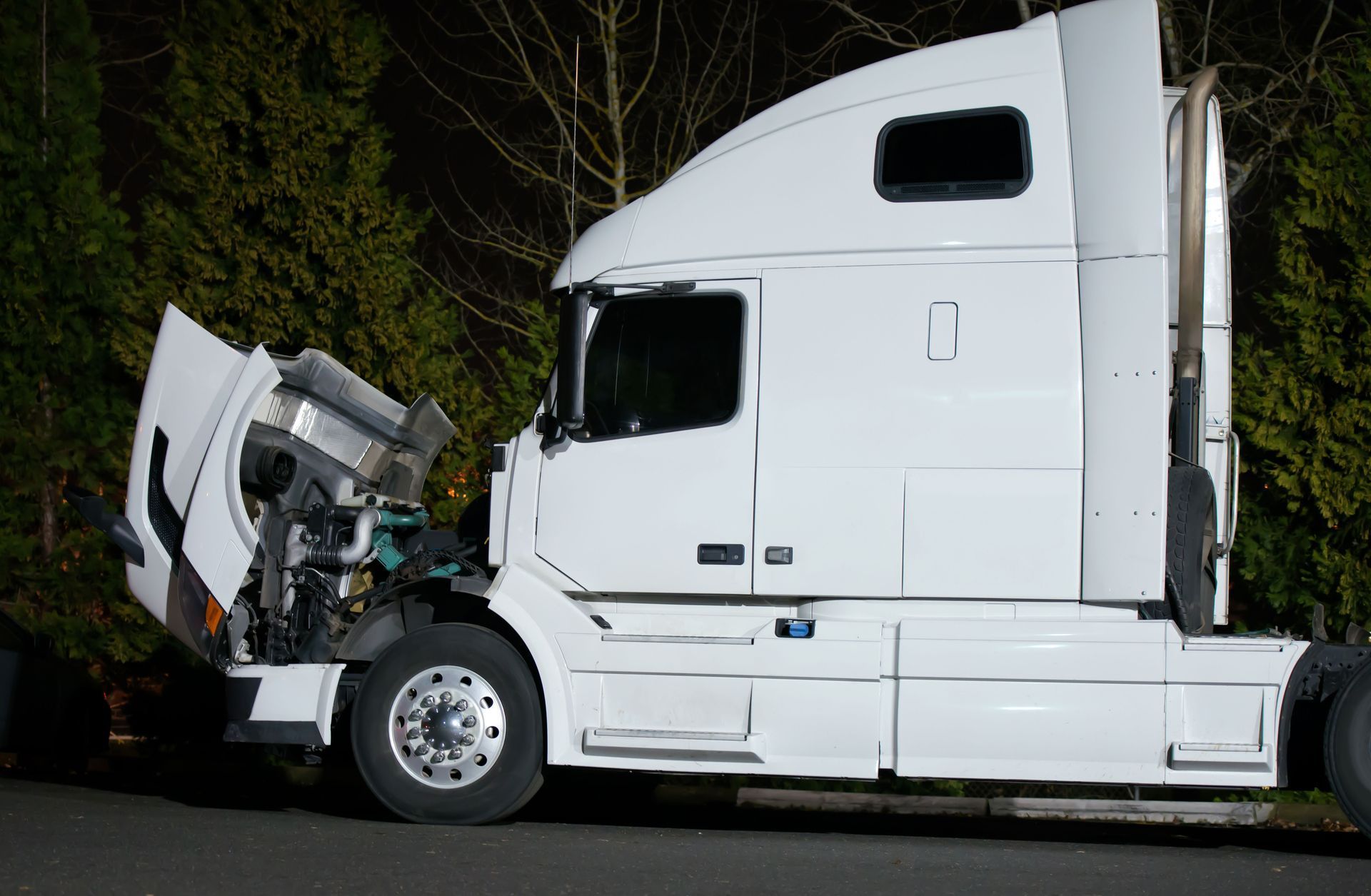
Navigating unexpected commercial vehicle breakdowns on busy interstate highways requires swift action and practical decision-making. Heavy commercial rigs operating under severe hauling demands face continuous stress on engine components, braking mechanisms, and structural assemblies.
When a mechanical disruption occurs, driver safety and route continuity depend heavily on prompt professional support. Operating heavy transport equipment involves balancing tight delivery schedules against stringent safety regulations.
Commercial transportation networks form the vital backbone of modern freight delivery across the nation. Maintaining consistent vehicle uptime requires proactive maintenance routines combined with highly dependable roadside contingency planning.
Commercial vehicle operations demand continuous vigilance across long transport corridors. Operating heavily loaded tractor-trailers requires complete confidence in critical mechanical assemblies.
Drivers often attempt initial troubleshooting when minor operational anomalies arise during transit. However, complex modern commercial vehicles feature intricate electronic and hydraulic systems that usually require specialized external diagnostic tools to resolve safely.
Understanding specific emergency scenarios that necessitate external technical assistance prevents minor mechanical issues from escalating into hazardous roadway obstructions. Prompt intervention minimizes costly cargo delays and protects valuable fleet equipment from permanent structural damage.
Establishing a dependable emergency response protocol is essential for every long-haul operator. Immediate access to qualified mobile mechanics ensures technical disruptions receive swift, expert attention on location.
Utilizing professional local roadside truck service teams bridges the gap between sudden mechanical failure and safe operational recovery on demanding highway corridors.
Identifying Engine Overheating Warning Signs
Engine cooling systems endure extreme thermal stress during long-distance hauling under heavy payload conditions. A sudden spike in operating temperature signals immediate internal danger to engine blocks, cylinder heads, and head gaskets.
Ignoring elevated temperature gauges risks severe internal engine seizure and sudden loss of vehicle propulsion. When dashboard alerts indicate overheating, pulling safely onto wide highway shoulders represents the primary safety action.
Continuing to operate hot engines causes thermal expansion that permanently damages costly internal components. Securing a local roadside truck service guarantees that certified technicians evaluate radiator integrity, water pump pressure, and coolant leaks safely.
- Sudden spikes in engine temperature gauges accompanied by loss of cab heating efficiency.
- Steam escaping from coolant reservoirs or visible fluid pooling underneath the engine bay.
Experiencing radiator hose ruptures or thermostat failures leaves heavy vehicles vulnerable on high-speed shoulders. Mobile repair professionals carry specialized replacement hoses and heavy-duty coolants designed specifically for commercial engines.
Managing Severe Brake System Performance Drops
Brake system failures represent an immediate life-safety hazard during commercial transport operations. Pneumatic brake systems rely on consistent air pressure to engage stopping mechanisms across multiple trailer axles.
A sudden loss of system pressure compromises total stopping distance and vehicle control during high-speed travel. When air pressure gauges drop below safe thresholds, drivers must prioritize immediate emergency stopping procedures.
Audibly leaking air lines or unresponsive brake pedals demand instant mitigation efforts before complete mechanical failure occurs. Attempting to navigate steep downgrades with compromised braking capabilities invites extreme disaster for all surrounding motorists.
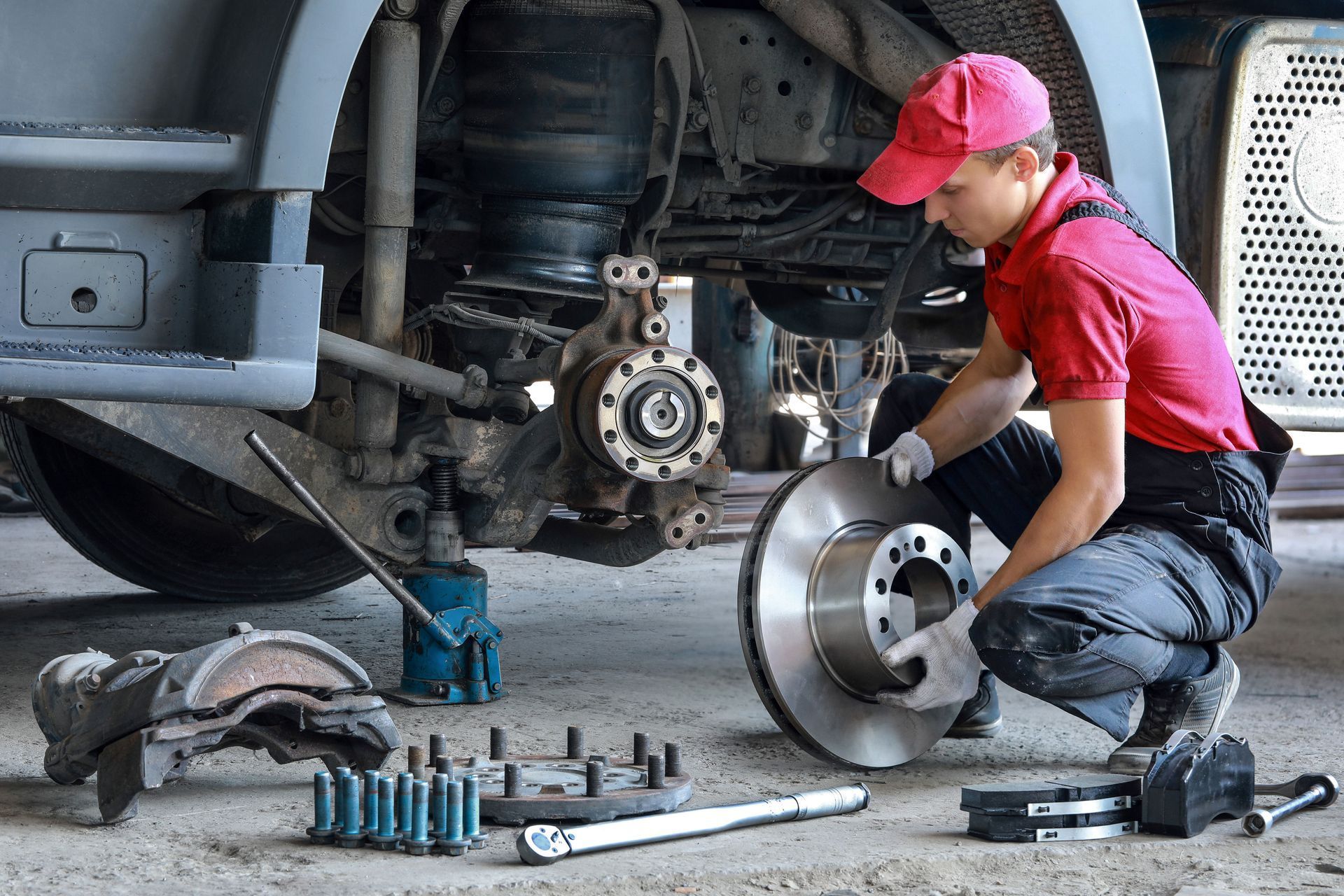
Comprehensive pneumatic evaluations identify subtle air leaks before complete system failure occurs. Experienced technicians verify brake valve tolerances, reservoir integrity, and pushrod travel directly at the breakdown site.
Contacting a reliable local roadside truck service ensures that expert mechanics inspect air compressors, glad hands, and brake chambers on location. Swift mechanical intervention restores critical stopping performance without compromising driver safety.
Resolving Complete Electrical Power Failures
Modern heavy transport vehicles depend entirely on complex electrical architectures for continuous operational safety. Sudden alternator failures or severe battery shorts disrupt vital safety features, including exterior illumination and electronic control modules.
Total electrical failure during nighttime transit creates an immediate hazard on unlit highway corridors. Losing exterior lighting renders massive commercial vehicles virtually invisible to fast-approaching highway traffic.
Without functioning hazard flashers or clearance lights, stranded transport rigs pose severe collision risks. Drivers facing sudden electrical blackouts must focus on positioning vehicles far onto shoulder easements while setting up physical warning reflectors.
Navigating total electrical blackouts without proper auxiliary safety lighting exposes operators to extreme danger. Emergency service teams implement rapid power restoration procedures to ensure safe transport continuation.
Dispatching a qualified local roadside truck service provides immediate access to heavy-duty battery boosting equipment, replacement alternators, and wiring repairs. Experienced technicians systematically isolate short circuits to restore primary vehicle power safely.
Handling Dangerous Tire Blowout Hazards
Commercial tire tread separations and high-speed blowouts generate intense physical force capable of damaging surrounding vehicle structures. Sudden pressure loss creates severe steering pull, requiring calm driver intervention to maintain lane stability.
Shredded rubber fragments frequently sever brake hoses, damage air tanks, and compromise fiberglass bodywork. Replacing massive commercial tires on narrow highway shoulders exposes personnel to high-speed traffic hazards.
According to Fortune Business Insights, approximately 65�70 million vehicle breakdowns occur annually in the U.S. Professional mobile tire specialists utilize heavy-duty hydraulic jacks and pneumatic impact tools engineered for hazardous roadside tire installations.
- Severe steering wheel oscillation immediately following loud tire inflation loss.
- Physical damage to mud flaps, air lines, or body panels caused by flying tread debris.
Utilizing a specialized local roadside truck service ensures that appropriate replacement rubber arrives directly at the breakdown location. Rapid tire mounting and wheel balancing restore proper load distribution across all vehicle axles.
Addressing Critical Transmission and Driveline Disruptions
Driveline disruptions completely sever power delivery from the engine to driving axles, rendering commercial rigs immobile. Broken driveshafts, failed universal joints, or severe transmission gear slippage halt forward momentum instantly.
Attempting to force damaged gearboxes creates further mechanical destruction and increases overall repair expenses significantly. Immobilized commercial vehicles stuck in active travel lanes present dangerous traffic bottlenecks.
Executing proper driveline disconnects prevents extensive gear teeth shearing during high-speed towing maneuvers. Skilled recovery specialists secure heavy driveshafts using heavy-duty rigging gear prior to transport.
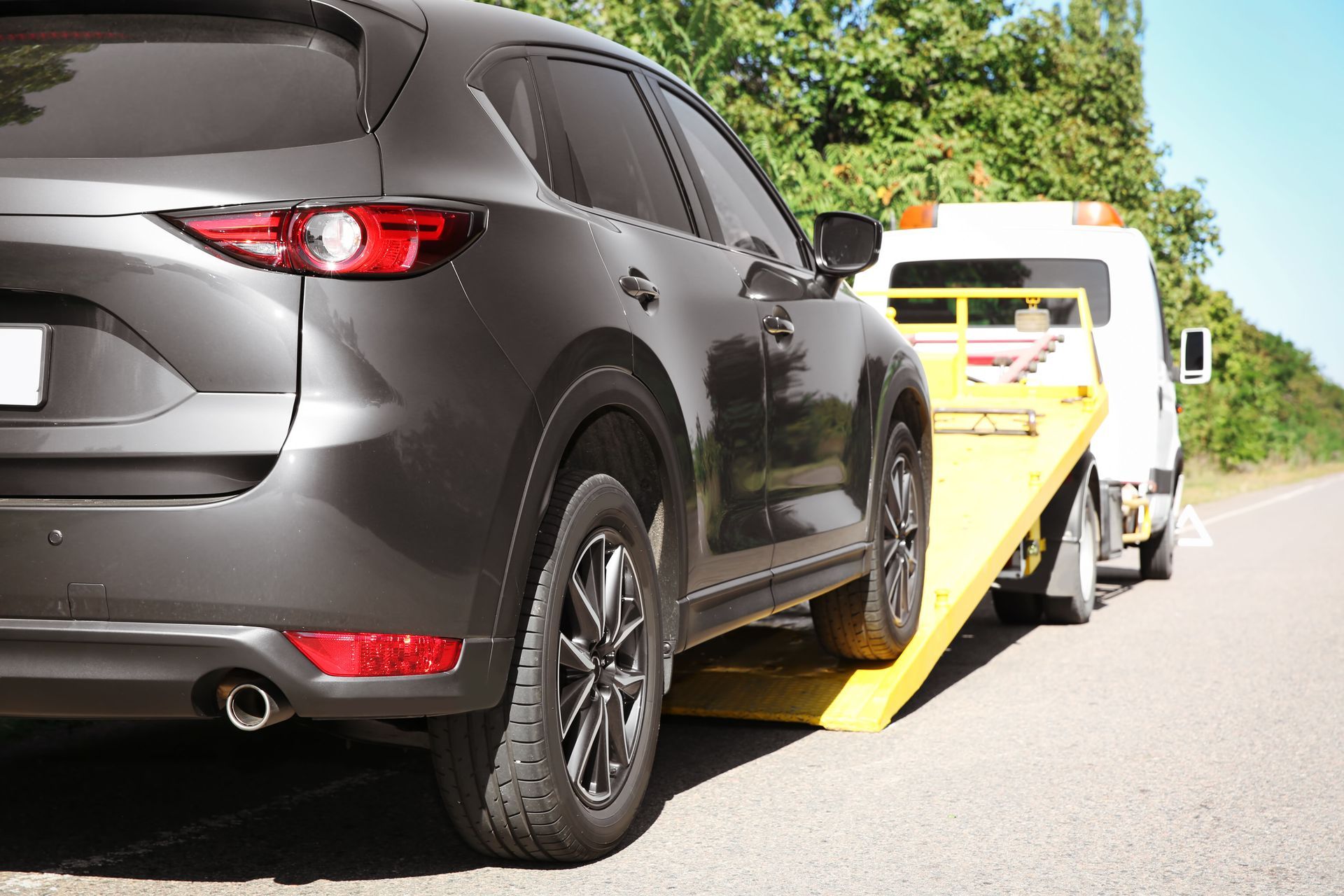
Calling a local roadside truck service connects operators with heavy recovery vehicles equipped with underlift technology. Experienced recovery operators disconnect driveshafts prior to transport, protecting sensitive transmission components from secondary rotational damage.
Professional driveline management minimizes mechanical damage during transport to primary repair facilities. Expert operators analyze load weights and axle configurations to execute safe recovery procedures on busy interstates.
Treating Hazardous Fuel Delivery Failures
Fuel delivery failures cause sudden engine hesitation and stalling, leaving heavy commercial vehicles stranded without power. Clogged fuel filters, failed lift pumps, or ruptured fuel lines disrupt diesel flow during critical transit periods.
Unintended fuel leaks introduce serious fire risks and environmental contamination hazards requiring immediate professional remediation. Operating commercial vehicles in cold weather conditions frequently leads to diesel fuel gelling within lines and filters.
Proper fuel delivery maintenance safeguards expensive high-pressure common rail injection systems from premature failure. Immediate mechanical support eliminates air pockets and restores optimal fuel delivery pressure.
Requesting a local roadside truck service brings experienced mechanics capable of bleeding air from diesel injection systems on location. Swift technical service resolves fuel starvation problems without requiring costly vehicle towing.
Professional fuel system repairs ensure compliance with environmental spill containment regulations while restoring engine performance. Certified technicians inspect fuel lines for physical wear and replace damaged fittings directly on the shoulder.
Maintaining uninterrupted commercial transit requires immediate access to trusted technical support when unexpected mechanical failures occur on busy interstates.
Protecting professional drivers, commercial cargo, and surrounding motorists requires dependable mobile mechanical solutions during unexpected highway breakdowns and emergencies.
Whenever sudden vehicle failures threaten cargo delivery schedules and highway safety, contacting a trusted
local roadside truck service ensures fast recovery. For immediate, dependable assistance during commercial vehicle emergencies, rely on King's Towing & Truck Repair, LLC.