November 18, 2026
No driver wants to hear a warning light chime, feel the engine lose power, or watch the gauges suddenly drop while miles from the nearest town. For truck drivers, a breakdown can be stressful, costly, and potentially dangerous, especially on busy highways or remote stretches of road. Knowing what to do in those first few minutes can help keep you safe and get you moving again faster. Below, we'll walk through a simple roadside emergency checklist for truck drivers, and explain how our roadside truck repair team can help when you need it most.
Getting Safely Off the Road
As soon as you notice a serious problem, your first priority is getting out of the flow of traffic. Signal early, slow down gradually, and move as far onto the shoulder as you safely can. If possible, look for an exit, rest area, wide shoulder, or parking lot where you'll have more room around your truck. Avoid stopping on curves, hills, bridges, or other spots where approaching drivers may have trouble seeing you. Try to park on level, solid ground, since soft shoulders can be dangerous for a heavy vehicle. Once you've stopped, set the parking brake and turn the wheels away from traffic when it makes sense to do so.
Turning On Your Hazard Lights
Your hazard lights are one of the quickest ways to warn other drivers that something is wrong. Turn them on as soon as you begin pulling over, and leave them on the entire time you're stopped. At night or in bad weather, keep your marker and clearance lights on as well to help your truck stand out. Visibility is especially important on high-speed highways, where traffic can approach quickly. If your truck has lost electrical power and the lights aren't working, other warning devices become even more important. Staying visible is one of the best ways to reduce the risk of a secondary collision.
Setting Out Warning Devices
Commercial drivers are required by federal regulations to place warning devices, such as reflective triangles, when their vehicle is stopped on or beside the road. These devices give approaching drivers extra time to notice your truck and change lanes. Before stepping out, check your mirrors and wait for a safe gap in traffic. Wear a high-visibility vest if you have one, and walk facing oncoming traffic whenever possible. Place the triangles according to federal guidelines, adjusting for curves, hills, or other obstructions that limit visibility. Taking a few minutes to set them out properly can make a big difference in keeping you and other drivers safe.
Staying Safe While You Wait
Once your truck is secured and marked, decide where it's safest to wait. In many situations, staying buckled in your cab is the best option, especially if traffic is heavy and there's no safe place to stand. However, if you notice smoke, fire, leaking fuel, or another hazard, get out of the truck and move well away from it and the roadway. Never stand between your truck and passing traffic. During extreme heat or cold, keep water, warm clothing, and blankets handy so you can stay comfortable. Keep your phone charged so you can stay in contact with dispatch and help.
Assessing the Situation Carefully
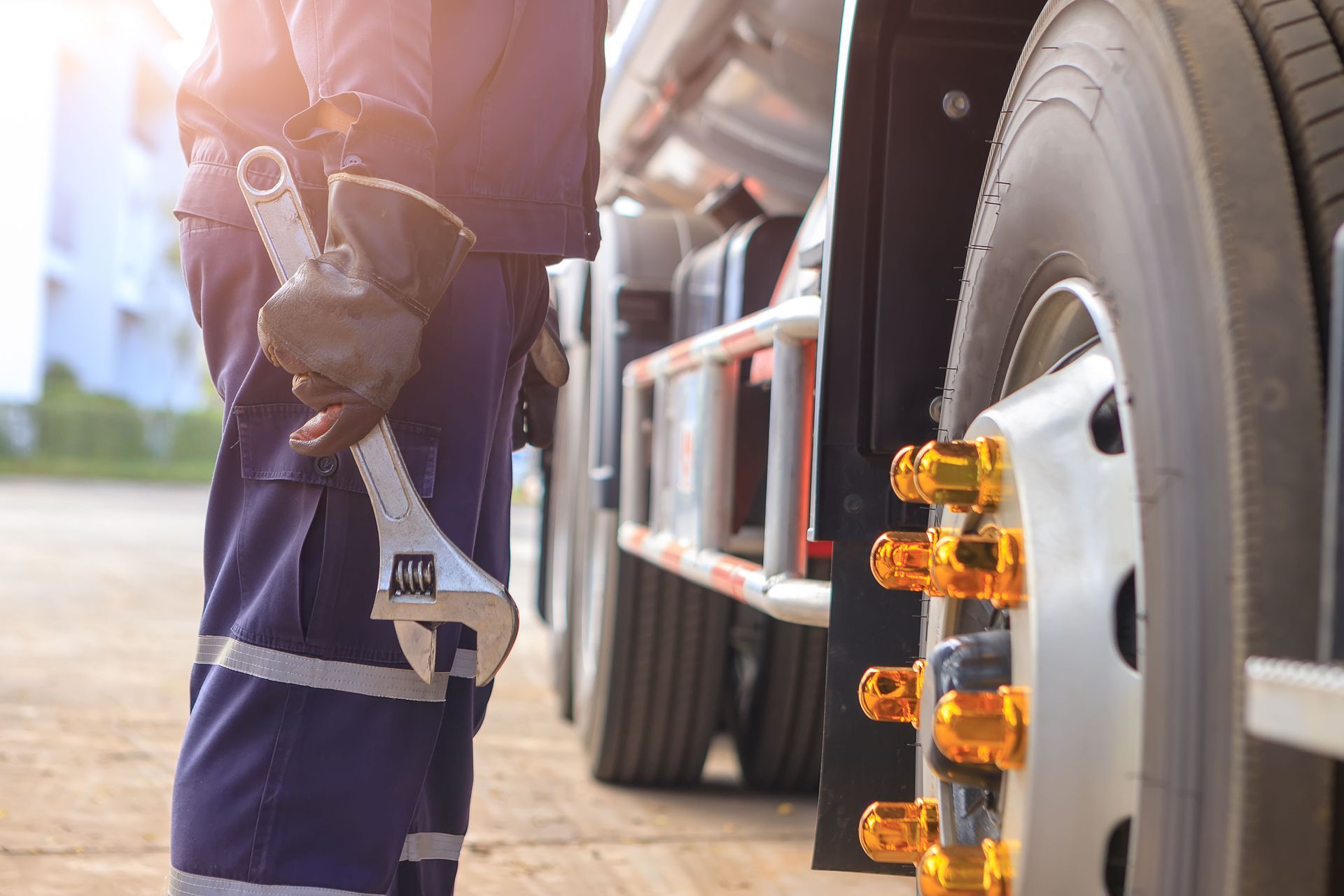
Once you're safe, take note of what happened before the breakdown. Did you hear an unusual noise, smell something burning, see smoke, or notice a dashboard warning? Was there a sudden loss of power, a blown tire, or a problem with your brakes or air system? These details can help a technician understand the problem more quickly. A quick visual check from a safe position may reveal obvious issues like a flat tire or a leak, but avoid crawling under the truck or attempting major repairs on the shoulder. Many breakdowns involve heavy components, pressurized systems, and hot engine parts that can cause serious injuries. Leaving the hands-on work to our qualified roadside truck repair technicians is the safest choice.
Gathering Key Information Before You Call
Having the right details ready can speed up the help you receive. Note your exact location, including the highway, direction of travel, nearest mile marker, or closest exit. Many phones can also share GPS coordinates, which can be especially helpful in rural areas. Be ready to share your truck's make, model, and year, along with any trailer details and whether you're carrying a load. Describe the symptoms you noticed and any warning lights or codes on the dashboard. When you reach our roadside truck repair team with this information, we can better prepare the right tools, parts, and equipment before we head your way.
Calling for Professional Help
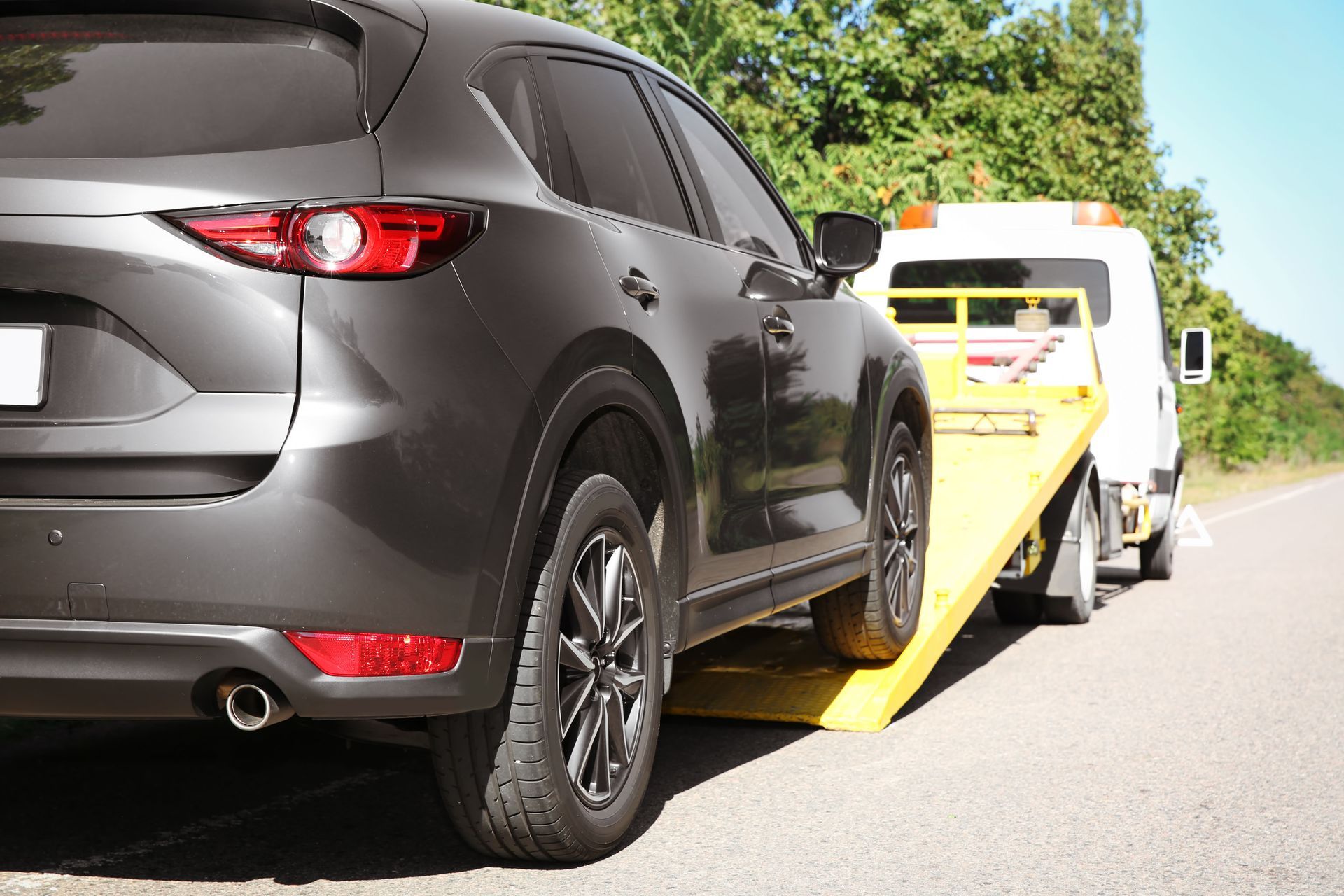
Breakdowns are more common than many drivers realize. According to Look Up A Plate, approximately 55,000 vehicles are towed each day across the country. In many cases, though, a tow isn't the only option. Problems like tire blowouts, dead batteries, minor mechanical issues, and fuel shortages can often be handled right where you are. Our roadside truck repair service can bring the repair to you, which may help you get back on the road sooner and avoid the cost and delay of a tow. If your truck does need to be moved, our light-duty, heavy-duty, and flatbed towing services can get it to a safe location for further repairs.
Notifying Dispatch and Your Fleet
If you drive for a company, let your dispatcher or fleet manager know about the breakdown as soon as it's safe to do so. They may need to adjust delivery schedules, notify customers, or arrange for another driver or a load transfer. Share the same details you gave your repair provider, along with an estimated timeline once you have one. Keeping everyone informed helps reduce confusion and keeps operations running as smoothly as possible. Fleets that work with a dedicated roadside truck repair provider like us often benefit from faster scheduling and simpler billing. Clear communication also helps you document the incident for maintenance records.
Preparing an Emergency Kit Before Your Next Trip
The best time to prepare for a breakdown is before it happens. Keep a well-stocked emergency kit in your truck with reflective triangles, a high-visibility vest, a flashlight with extra batteries, gloves, a first aid kit, and a fire extinguisher. Water, nonperishable snacks, blankets, and weather-appropriate clothing can also help if you're waiting for a while. Save the phone number of a trusted repair and towing provider so you're not searching online during an emergency. Regular preventive maintenance and pre-trip inspections can also help catch small problems before they lead to a breakdown. Being prepared won't stop every issue, but it can make a stressful situation much easier to handle.
At King's Towing & Truck Repair, LLC, we're a family-owned, locally owned company with more than 50 years of experience helping drivers throughout Eastern Oregon and Eastern Washington, including Hermiston, Pendleton, La Grande, Pasco, Walla Walla, and Yakima. We offer 24/7 roadside truck repair, emergency roadside assistance, light-duty and heavy-duty towing, flatbed towing, tire service, jump starts, lockout assistance, fuel delivery, and recovery services. Our certified technicians also provide semi-trailer repair, DOT inspections, and commercial fleet programs. Contact King's Towing & Truck Repair, LLC today for fast, reliable help on the road.